Biometric Authentication Patterns Driving Tailored Incentive Delivery Across Device Ecosystems in Wagering Environments
Lars Sullivan · Sep 25, 2026
Biometric Authentication Patterns Driving Tailored Incentive Delivery Across Device Ecosystems in Wagering Environments
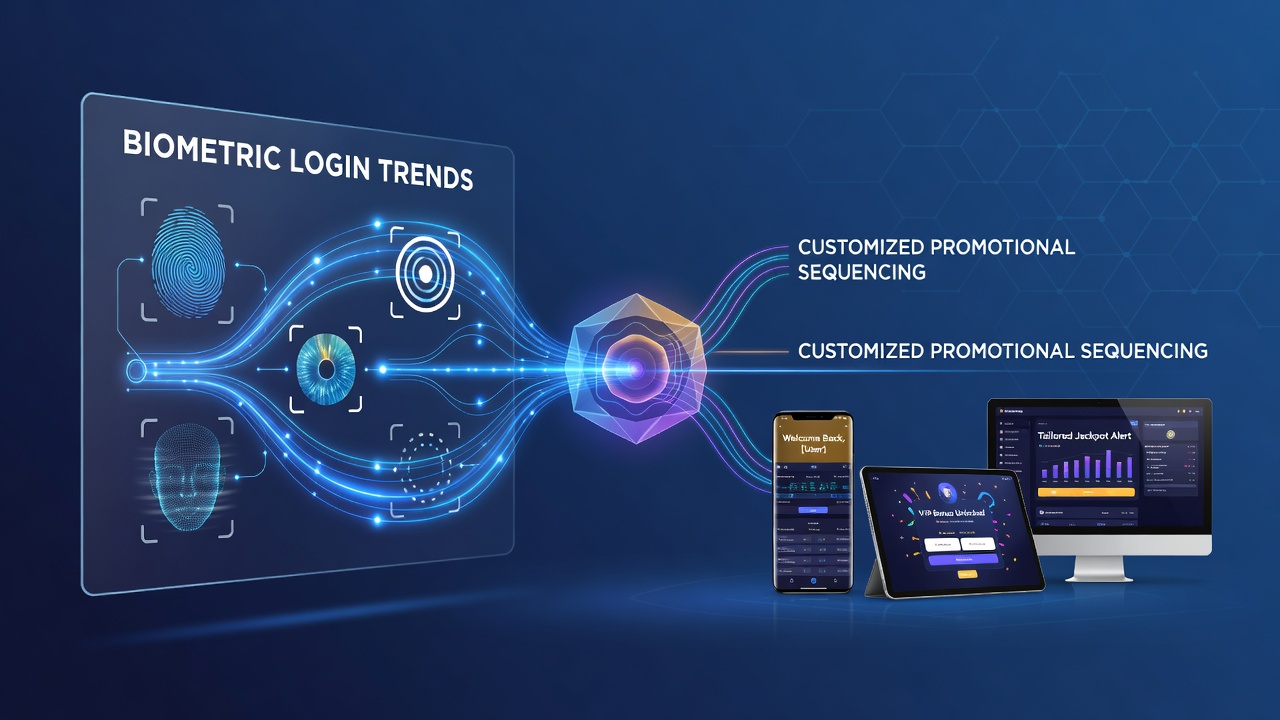
Biometric login methods such as fingerprint scanning and facial recognition have seen steady integration into multi-device wagering platforms since the mid-2020s, and data from regulatory filings shows these technologies correlate with shifts in how operators sequence promotional offers. Platforms track login frequency and device switches through biometric timestamps, which then feed into algorithms that adjust bonus timing and content for individual accounts. Research indicates that users completing biometric verification on both mobile and desktop sessions receive sequenced promotions at higher rates than those relying on traditional passwords, according to aggregated industry metrics released in early 2026.
Adoption Rates and Device Synchronization Trends
Operators across North American and European markets reported biometric login usage climbing to 68 percent of active accounts by September 2026, with synchronization features allowing seamless transitions between smartphones, tablets, and desktop clients. When a user authenticates via facial recognition on a mobile app, the system logs the event and cross-references it with prior desktop activity to determine optimal promotion delivery windows. Studies from the Alcohol and Gaming Commission of Ontario reveal that such cross-device tracking reduces account abandonment during bonus claim processes by measurable percentages, while enabling operators to stagger offers like deposit matches or free spins across multiple sessions rather than releasing them simultaneously.
Customized Sequencing Mechanisms in Practice
Promotional sequencing relies on biometric data points to build behavioral profiles that dictate offer order and frequency. For instance, platforms detect repeated morning logins via fingerprint on mobile devices and respond by delivering loyalty rewards later in the day, followed by device-specific incentives when the same account switches to desktop. One analysis of platform logs found that accounts using biometric methods across three or more devices triggered an average of 2.4 additional sequenced promotions per week compared with single-device password users. These patterns emerge because biometric verification provides higher-confidence identity confirmation, which operators use to comply with responsible gaming protocols while refining offer personalization.
Cross-Platform Data Flows and Algorithmic Adjustments
Data flows between devices become more reliable once biometric authentication replaces manual logins, allowing real-time updates to promotional queues. A user who verifies identity on a tablet during a live event might receive a follow-up mobile notification with a tailored reload bonus the next day, timed according to historical engagement data collected through prior biometric sessions. Figures from academic research at the University of Nevada, Las Vegas, demonstrate that this sequencing approach maintains consistent user activity levels across device types, particularly when operators align promotions with biometric-confirmed session durations rather than fixed calendar triggers. Observers note that the connection strengthens as platforms expand support for multiple biometric modalities, since each method adds distinct timestamp and behavioral metadata to the underlying user profile.
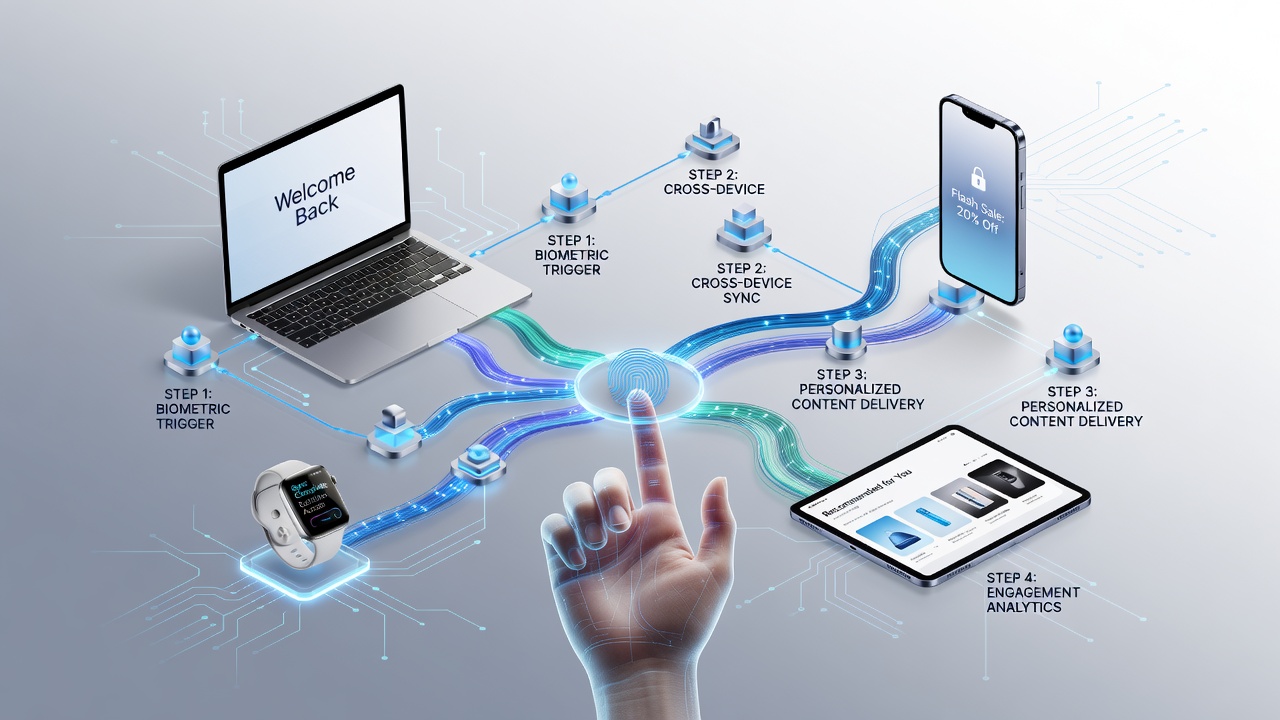
Security protocols tied to biometrics further influence sequencing by limiting account sharing, which in turn concentrates promotional exposure on verified single users. When facial recognition confirms identity on successive devices, the system avoids duplicate offers that once diluted engagement under password-only systems. Industry reports compiled through 2026 show this refinement correlates with longer average sequences of promotions before users reach wagering requirements, because operators gain clearer visibility into individual device preferences and login rhythms.
Regional Variations in Implementation
Markets in Australia and parts of Asia-Pacific have incorporated biometric requirements into licensing frameworks more rapidly than some North American jurisdictions, leading to earlier deployment of sequenced promotions. Australian Communications and Media Authority documentation from mid-2026 highlights how operators there use biometric login data to comply with harm minimization rules while delivering customized incentives that adapt to detected device usage patterns. In contrast, certain Canadian provinces continue testing hybrid systems where biometric adoption remains optional, yet preliminary figures indicate similar upward trends in promotional sequencing efficiency once users opt in. These regional differences underscore how regulatory environments shape the speed at which biometric trends translate into operational changes for multi-device wagering networks.
Conclusion
Connections between biometric login adoption and customized promotional sequencing continue to evolve as platforms refine cross-device tracking capabilities. Data collected through verified authentication methods supplies the foundation for timing and tailoring offers across mobile, tablet, and desktop environments, with measurable impacts on user retention patterns reported through 2026. As more jurisdictions formalize biometric standards, operators gain additional tools to align promotional delivery with actual device-switching behaviors while maintaining compliance frameworks. The resulting systems reflect ongoing technical integration rather than isolated trends, linking authentication security directly to incentive strategy across global wagering ecosystems.