Hidden Synchronization Mechanisms Linking Multi-Jurisdictional Gaming Licenses to Real-Time Odds Adjustments in Virtual Sportsbooks
Felix Butler · Oct 9, 2026
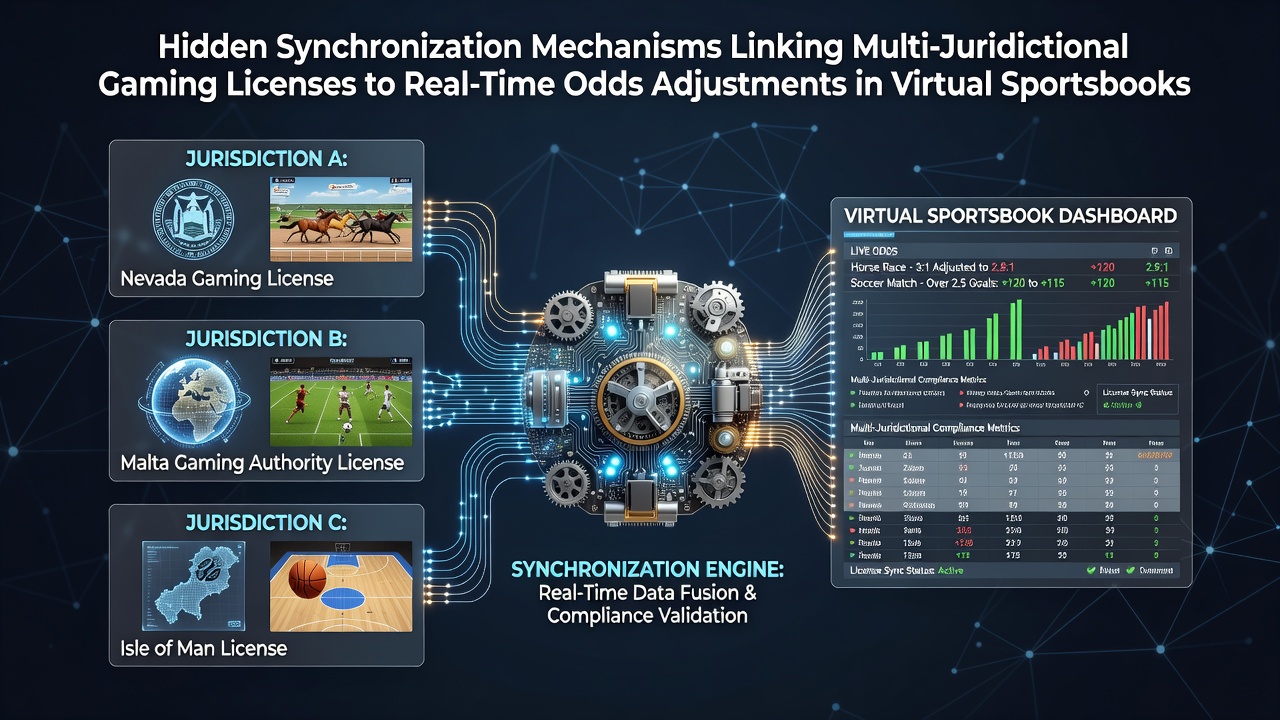
Hidden Synchronization Mechanisms Linking Multi-Jurisdictional Gaming Licenses to Real-Time Odds Adjustments in Virtual Sportsbooks
Multi-jurisdictional gaming licenses require operators to maintain compliance across separate regulatory frameworks, and these requirements feed directly into the algorithms that recalibrate odds in virtual sportsbooks. Systems track license conditions from jurisdictions such as Nevada, New Jersey, and Malta, then transmit updated parameters to centralized risk engines that modify betting lines in real time. Data streams carry variables including tax rates, exposure caps, and player protection thresholds, which the odds engines incorporate without manual intervention.
License Structures and Their Technical Footprints
Operators holding licenses in multiple regions maintain separate compliance modules that log every rule change, and these modules connect through secure APIs to a shared synchronization layer. The layer converts regulatory inputs into machine-readable constraints that the odds platform applies during each event cycle. In October 2026, records from the Nevada Gaming Control Board showed that cross-border operators updated license parameters an average of 14 times per month, with each update triggering immediate recalculations in virtual sports markets.
Virtual sportsbooks simulate events such as football matches and horse races using predetermined random number generators, yet the displayed odds still shift according to aggregated exposure and jurisdictional limits. When a license in one region imposes a stricter loss threshold than another, the synchronization layer prioritizes the stricter rule for all users accessing that operator's platform from within the stricter jurisdiction.
Data Flows Between Regulators and Betting Engines
Regulators transmit updated compliance files through encrypted channels, and betting platforms ingest these files into middleware that maps each clause to specific odds parameters. A clause limiting maximum stake on certain virtual outcomes, for example, becomes a coefficient that the engine applies when calculating implied probabilities. Researchers at the University of Nevada, Las Vegas documented this mapping process in a 2025 technical report that examined 23 licensed operators and found consistent use of rule-to-parameter translation tables.
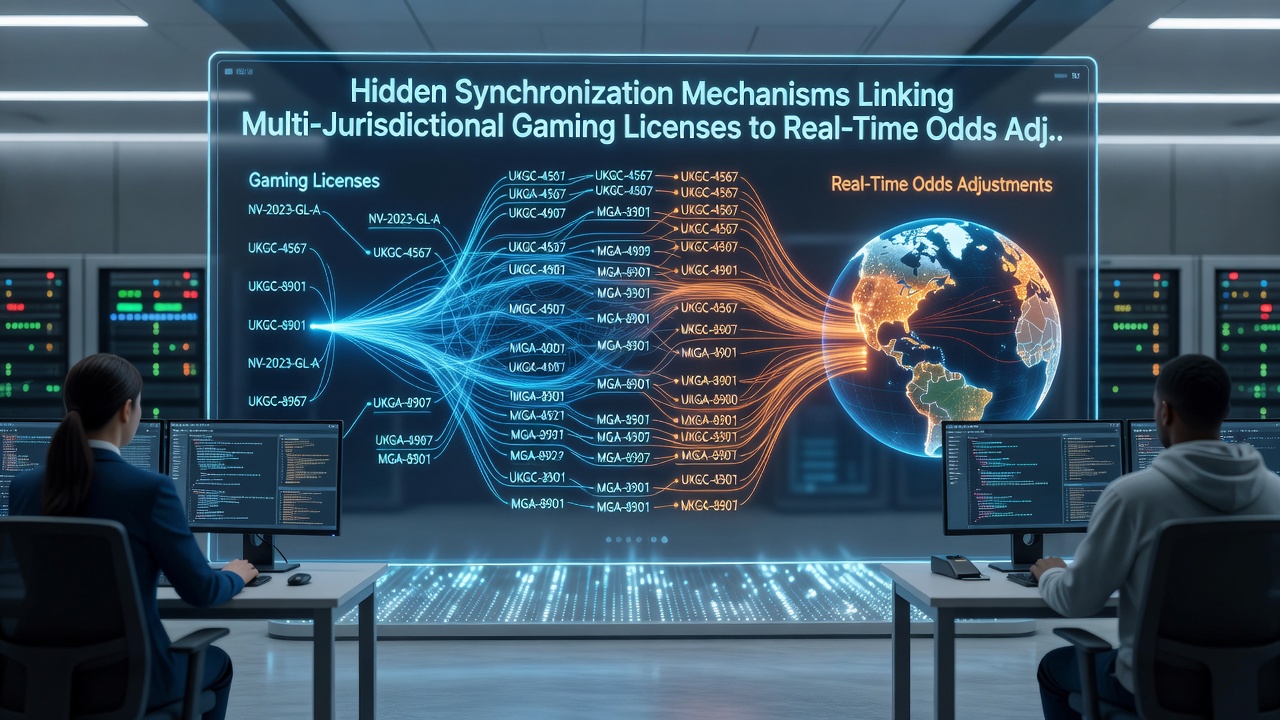
The middleware operates on a publish-subscribe model so that a single regulatory update reaches every connected odds engine within milliseconds. Operators then test the new parameters against historical bet volumes to verify that exposure remains within licensed limits before the changes go live. This testing loop runs continuously and feeds back into the synchronization layer, creating a closed system where license conditions and market odds remain aligned.
Impact on Virtual Event Markets
Virtual sports events generate odds at fixed intervals, yet the synchronization mechanisms overlay dynamic adjustments based on cumulative player activity across jurisdictions. When aggregate bets in one licensed market approach a regulatory ceiling, the engine widens margins on related outcomes in all markets served by the same operator. Figures released by the New Jersey Division of Gaming Enforcement in late 2025 indicated that virtual sports handle 18 percent of total online wagering volume, making these synchronized adjustments statistically significant for overall platform risk.
Operators also incorporate currency conversion rules and cross-border tax treaties into the same synchronization layer. A change in applicable tax treatment in one jurisdiction alters the net payout calculation, which the odds engine reflects by adjusting the offered prices before the next virtual event cycle begins. This process occurs automatically and leaves an auditable trail that regulators can review during compliance inspections.
Conclusion
Multi-jurisdictional licenses therefore function as active inputs rather than static background conditions, because the synchronization mechanisms translate every regulatory variable into real-time odds modifications. Platforms that maintain these connections report fewer compliance incidents while preserving consistent market presentation across regions. Continued expansion of virtual sports offerings will likely increase the volume of data exchanged between licensing authorities and betting engines, reinforcing the technical interdependence already in place.